

Key Takeaways:
- U.S. Customs and Border Protection seized 1,578 counterfeit FIFA World Cup 2026 items — worth an estimated $134,594 — in Indianapolis from June 1 to 5.
- Most counterfeit World Cup merchandise reportedly enters the U.S. via small ecommerce shipments originating in Hong Kong, making detection at ports of entry harder.
- Fans can avoid fake FIFA World Cup merchandise by purchasing only from official FIFA retailers, checking stitching quality and reporting suspected counterfeits to their payment provider.
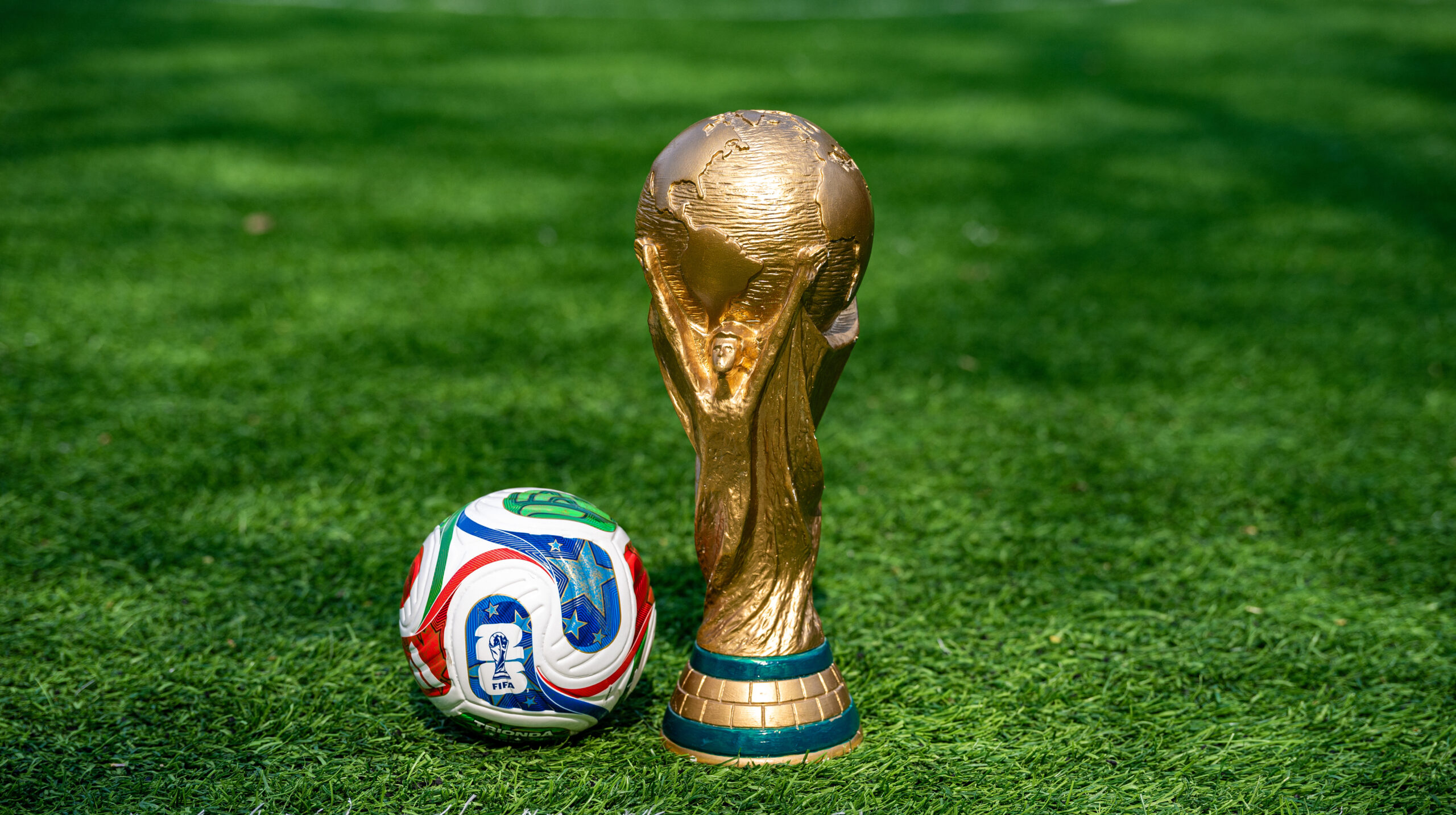
Federal agents pulled 18 suspicious shipments in early June and walked away with 1,578 pieces of counterfeit FIFA World Cup merchandise — jerseys, beanies and shirts bearing the names of Puma, Adidas and Nike. The haul carried an estimated retail value of $134,594.
What Happened in Indianapolis
U.S. Customs and Border Protection ran “Operation Winner’s Circle” from June 1 to 5, targeting international parcels flagged at the Indianapolis hub. Officers pulled 530 jerseys, 380 beanies, 349 branded shirts, and 319 additional World Cup-related items across 18 separate shipments. Most originated in Hong Kong before they were supposed to be routed to buyers inside and outside the United States.
“Sports fans often pay big money for sports memorabilia,” said Indianapolis Port Director Brett Mueller. “Counterfeit sports memorabilia de-funds our sports organizations, funds criminal networks, and scams the fans. Officers in Indianapolis work hard each day to protect our domestic businesses and American consumers.”

CBP noted that the growth of ecommerce has created a pipeline of low-value small packages that are harder to screen — more than 90% of counterfeit seizures occur through international mail and express channels.
Where Does Counterfeit World Cup Merchandise Come From?
Hong Kong serves as the primary transit point, but the supply chain is wide-reaching. Counterfeiters route goods through online marketplaces and directly to consumers via social media sellers. Homeland Security Investigations is working with CBP and other federal partners to map and break up these networks. CBP warns that substandard materials can pose genuine safety risks, including flammability concerns from cheap dyes.
The scale of the problem nationally is significant. ICE seized more than 276,000 counterfeit sports-related items last year, valued at over $33 million, according to agency records.
How to Tell Real FIFA Merchandise from a Fake
Shop the official FIFA store or a verified national association retailer. On third-party platforms, look for consistent embroidery, crisp badge edges and official hologram tags. Fuzzy crests, uneven seams and flimsy packaging are instant red flags. If the price is dramatically below retail, trust that instinct.
Tickets carry the same risk — use only authorized channels for seat purchases.
If you think you bought fake merch, contact the seller immediately. Open a dispute with your payment provider or marketplace and save all photos and communications. Report the item to the platform’s intellectual property team or directly to CBP. For anything high value, ask for a manufacturer serial number or original receipt before finalizing any purchase.
Protecting Fans Is the Bigger Play
Agents can’t catch every parcel. ICE’s “True Fans Keep It Real” campaign is designed to close that gap with consumer awareness. Buying authentic merchandise keeps money inside legitimate organizations and the communities that support them. It’s a small check that protects your wallet and the game you love.
(Note: AI assisted in summarizing the key points for this story.)