

Key Takeaways:
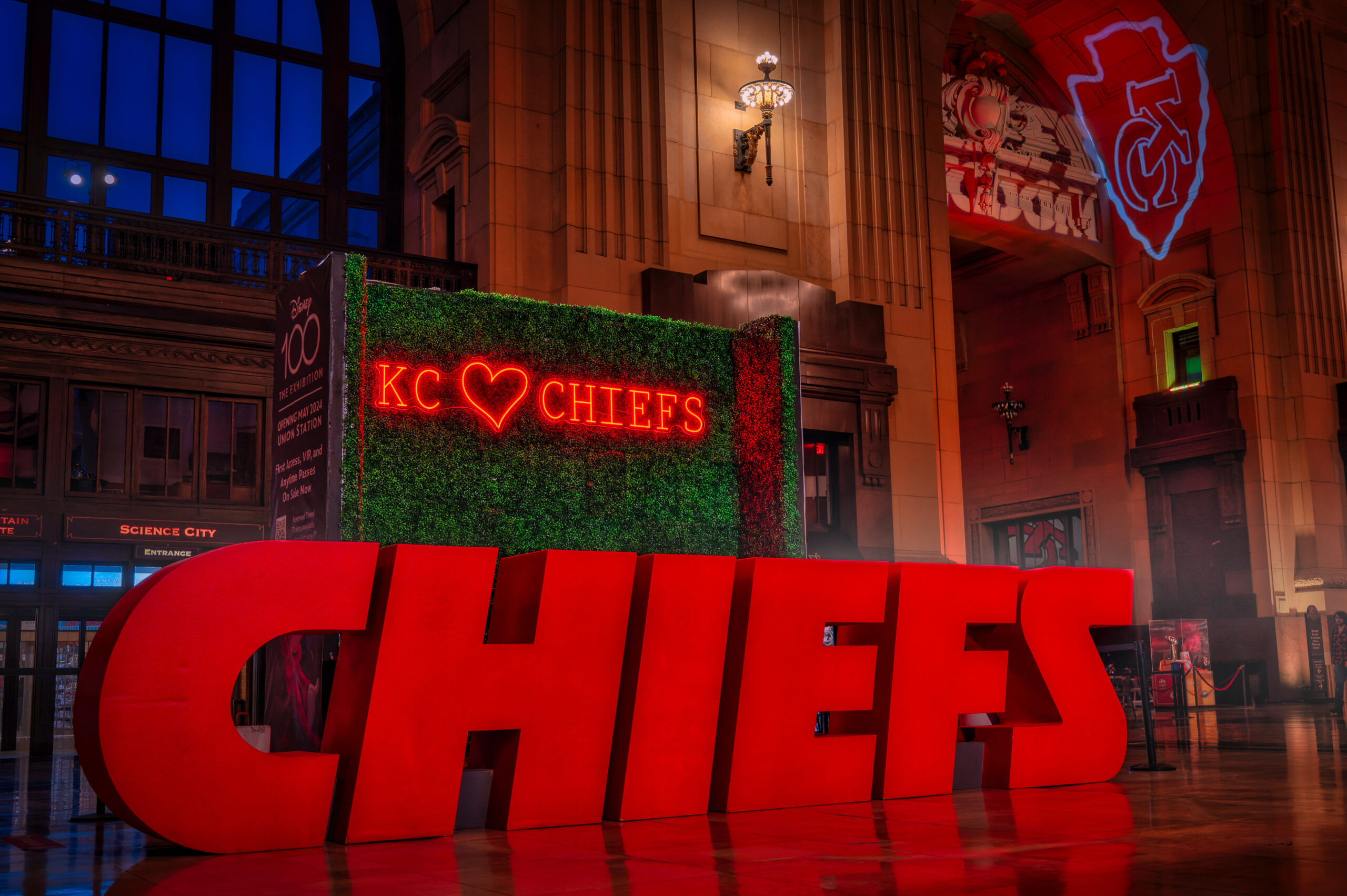
- Small-market NFL fans in cities like Buffalo and Kansas City are outspending fans in major metros on team apparel and gear
- The Nielsen Scarborough NFL Fandom Index shows Kansas City and Buffalo leading apparel purchases with index scores nearly triple the national average, while New York and Los Angeles rank at the bottom
- Legacy football towns are proving that grassroots fan loyalty, not media market size, sustains long-term merchandise revenue for the league
Turns out, the biggest football cities are not necessarily the biggest football spenders. Nielsen’s new Scarborough NFL Fandom Index put real numbers behind something longtime fans have suspected for years: passion runs deepest in the league’s smaller markets. And nowhere is that clearer than in merchandise sales.
The Fandom Index Breakdown
Nielsen built the index from its nationally syndicated consumer study, which surveys more than 200,000 U.S. adults annually.
According to Nielsen, the “methodology utilizes eight distinct metrics to capture the full spectrum of modern fandom: apparel purchases, general interest levels, live event attendance, betting intent, social media engagement, radio listenership, streaming habits, and linear TV viewership.”

Unlike traditional media market rankings, which favor population size, this index measures intensity per capita. That distinction changes everything about who counts as the league’s most devoted fan base.
Where Passion Outpaces Population
Kansas City and Buffalo topped the apparel category with index scores of 280 and 272, respectively, according to data from Nielsen and Front Office Sports. Meaning residents there are nearly three times more likely than the average American adult to have bought NFL gear in the past year. Philadelphia followed at 196, with Green Bay and Detroit close behind at 178 and 175. Pittsburgh, Cincinnati, Baltimore, New Orleans, and Jacksonville rounded out the top 10.
Meanwhile, New York and Los Angeles, home to four combined franchises, landed at the bottom of the overall fandom rankings, with scores of 85 and 86.
“In these saturated markets, a wealth of entertainment options and split team loyalties often dilute per-capita intensity,” said Nielsen. “Leaving New York at the very bottom of the index.”
We all know New York has some of the most rabid fans in all of sports, but between two underperforming NFL teams, lots of transplants, and millions of people who don’t even care about ANY NFL team, the city with over 8 million people was always going to have trouble keeping up with smaller, passionate communities.
The Economics of Deep Roots
That grassroots loyalty translates directly into dollars. Officially licensed jerseys generated nearly $2 billion in retail sales last year, according to the NFL Players Association, and small-market stars dominate the sales charts. Patrick Mahomes and Josh Allen jerseys routinely rank among the league’s top 10 sellers, with Allen’s topping the list last year. Green Bay, Detroit, and Philadelphia combined accounted for 10 jerseys on the NFLPA’s 2025 Top 50 list, a full fifth of the total.
As the NFL pushes further into international markets, this data offers a useful reminder. Deep community identity, not sheer market size, builds the kind of loyalty that shows up in a fan’s closet year after year. Clubs and licensing partners looking to grow revenue might find more value in nurturing that hometown connection than chasing bigger television numbers alone.
The Real Measure of Fandom
Buffalo, Kansas City and Green Bay did not need a massive media market to build a merchandise juggernaut. They needed generations of fans who never stopped showing up, in the stands and at the checkout counter. As the NFL rethinks how it measures market value, this index suggests the answer was in the local shop all along.
(Note: AI assisted in summarizing the key points for this story.)